Spotting trouble early
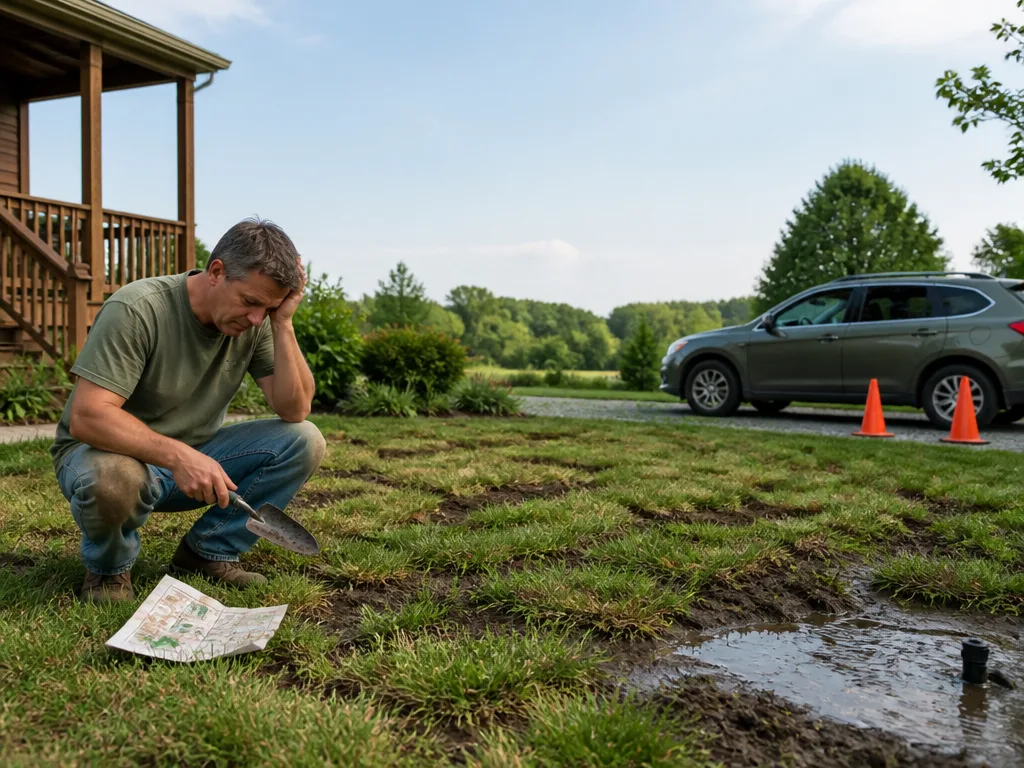
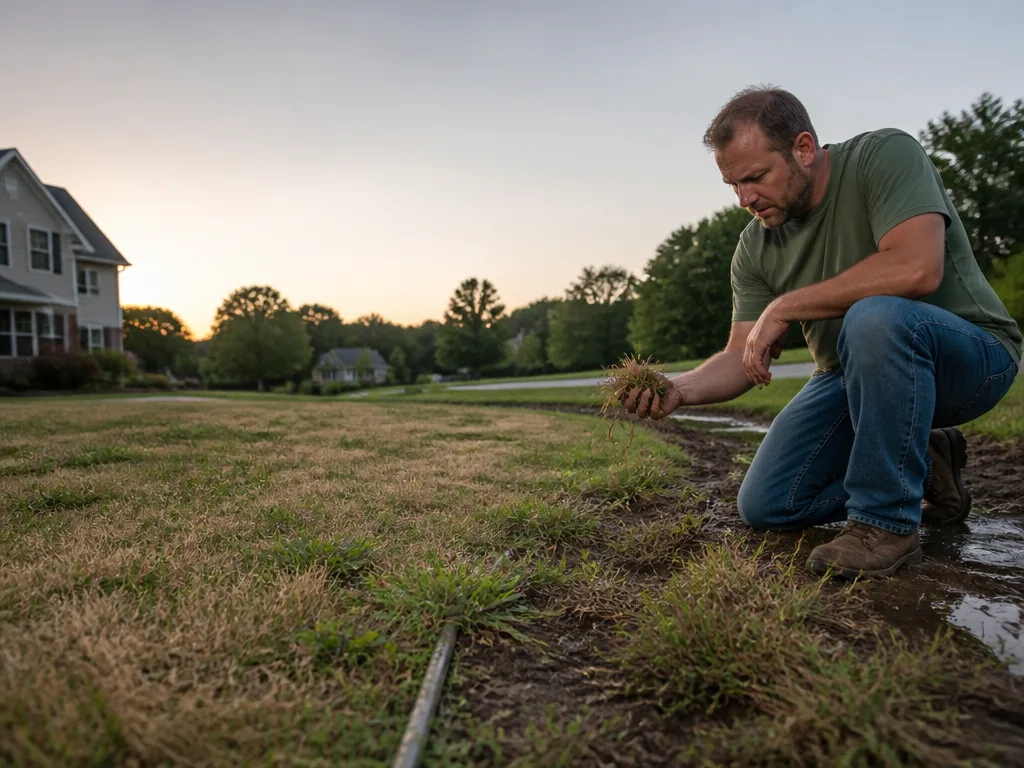
From coastal plains to mountain valleys, Virginia homeowners notice similar signs when a lawn starts to slip. If you see thin, patchy areas that worsen after rain or heat, that’s a hint something isn’t right beneath the surface. A lawn care specialist can assess root health, soil structure, and nutrient balance without guessing.
Color changes aren’t just about aesthetics. A dull or bluish-green tint can signal nutrient imbalances, while yellowing blades near the edges may point to irrigation gaps or soil compaction. In Virginia, seasonal swings emphasize these cues, so regular checks across every Virginia metro help catch issues before they spread.
What to look for week to week
Leaf texture matters. If blades feel limp despite watering, or if you notice crinkled or curled leaf tips, there’s stress to investigate. Footprints that stay visible long after mowing means the soil isn’t draining properly. A lawn care specialist will test soil moisture and composition to map out a plan tailored to Virginia’s climate.
Keep an eye on growth patterns. If grass stops spreading into thin areas during the growing season, it can indicate underlying problems. Timely checks by our team in Virginia help keep your lawn from tipping into long-term trouble.
When to call a pro
If you spot persistent patches that don’t bounce back after a few mowing cycles, or if you’re unsure what’s causing color changes, it’s time to bring in a lawn care specialist. We work statewide in Virginia to diagnose issues accurately and set up a clear plan that fits your yard and your budget.